
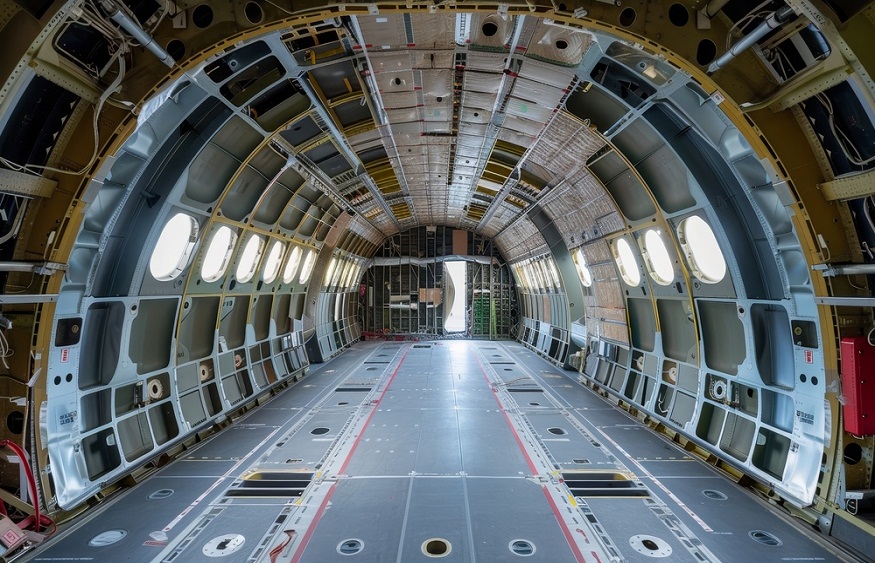
Turning an aircraft into a flying ICU means rethinking everything about the cabin. Medical teams need space to work on dying patients while the plane bounces through storm clouds. Engineers need tough, adaptable interiors for aviation and medicine.
Structural Modifications for Medical Operations
Regular aircraft cabins make terrible hospitals. The curved walls get in the way. Doors are too narrow for stretchers. Ceilings hang too low for IV poles. So engineers rip out the old and build something new. The floor goes first. Passenger seats spread weight evenly, but medical gear doesn’t. One cardiac monitor setup weighs as much as three passengers, all concentrated in a small spot. The floor underneath needs steel reinforcement plates. Engineers weld in extra beams. They add mounting tracks rated for crash forces five times normal gravity.
Read More : “How Smart Travelers Are Planning Their Trips in 2026 (And What’s Changed)”
Environmental Controls for Patient Care
Sick people need different air than healthy passengers. A trauma patient losing blood gets cold fast. Burn victims require moist air to prevent wound dehydration. To safeguard the crew, an individual with tuberculosis must be isolated. Standard airplane heaters can’t keep up. So engineers install hospital-grade climate systems with zones like a house. The patient area stays warm. The cockpit stays cool. Humidity adjusts by zone, too. Special filters catch bacteria and viruses. Sensors track temperature everywhere. If one zone gets too hot, cooling kicks in automatically. The crew sets what they need on a touchscreen, and computers handle the rest.
Power Systems and Equipment Integration
Hospital machines expect rock-steady power. Aircraft generators make dirty power full of spikes and drops. Plug a ventilator straight into aircraft power and watch it die. Or worse, malfunction while keeping someone alive. The fix costs money but saves lives. Inverters clean up the electrical signal. Voltage regulators smooth out bumps. Isolation transformers block interference from radios and navigation gear. Then comes redundancy: backup inverters, backup batteries, backup generators. Triple redundancy for life-support equipment. Double for everything else.
Safety Features and Specialized Requirements
Medical aircraft sometimes fly into danger. Military operations and disaster zones bring threats beyond bad weather. Companies such as LifePort build systems with ballistic protection for crews working where people shoot at helicopters, keeping medical teams safe without limiting patient care.
Even civilian aircraft need extra safety gear. Halon suppression systems knock down flames without harming patients. Emergency lights run on separate batteries. They turn on automatically if the main power dies. Escape routes stay clear of equipment. Restraint systems hold crews during rough air but release instantly when needed. Radios connect to hospitals through satellites when regular towers can’t reach. Navigation backups guide pilots home when instruments fail.
Workflow Optimization Through Design
Good design feels effortless. Bad design causes mistakes. So designers watch medical crews work. They note every stumble, every reach, every wasted movement. Then they fix those problems. Supply bins sit at elbow height. Color strips mark different supplies. Wide aisles let two people pass while carrying equipment. Rounded corners prevent stretchers from jamming. Floors use textured surfaces that grip shoes but clean easily. Lighting adjusts from bright white for procedures to soft amber for patient comfort. Switches are big enough to hit while wearing thick gloves.
Read More : Why Travel Insurance is Important for Medical Emergencies
Conclusion
Aircraft medical cabins push engineering limits daily. They merge aerospace toughness with hospital functionality in ways that challenge both industries. Each flight teaches builders something new. Crews report what works and what doesn’t. Engineers adjust designs using real-world emergencies, not theories. Technology’s progress offers opportunities and issues. The mission is simple: equip medical teams to save lives en route.