
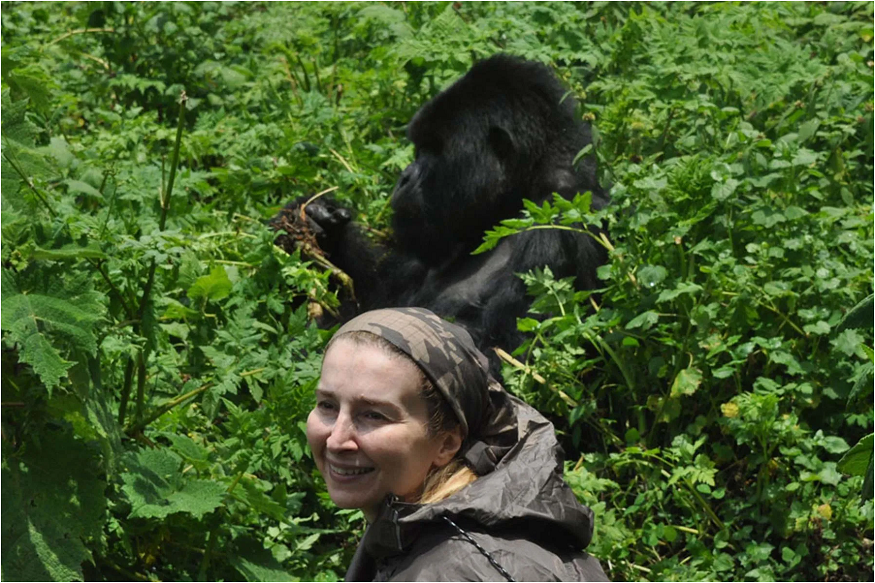
There’s a moment, somewhere around 5am in the Ugandan bush, when the sky turns the color of weak tea and a lion somewhere off in the grass decides to remind everyone who’s in charge. You’re half asleep, wrapped in a blanket in the back of an open safari vehicle, and that roar goes straight through your chest. Or maybe your moment comes later, deep in the Bwindi forest, when the undergrowth rustles and a 200kg silverback gorilla ambles out of the mist and just… looks at you. Either way, Uganda has a habit of turning “just another safari” into something you’ll be telling stories about for years.
The trouble is, most people planning a trip here get stuck at the same fork in the road: which parks do you actually visit? Uganda isn’t a one-park country, and it isn’t only about gorillas either, even though that’s usually what pulls people in. Between savannah plains, crater lakes, snow-tipped mountains, and dense rainforest, this small East African nation packs in more variety than countries three times its size. This complete Uganda National Parks guide for wildlife lovers is here to walk you through it all — the wildlife, the landscapes, the birdlife, the logistics, and the decisions that’ll shape your trip.
It’s easy to see why safaris in Uganda have become such a draw for travelers who’ve already done the classic Kenya or Tanzania route and want something wilder and less crowded. Whether you’re booking Uganda tours built entirely around Uganda gorilla trekking or you’re after a broader mix of gorilla safaris in Uganda plus game drives and boat cruises, this guide covers it. No wonder people still call it the “Pearl of Africa” — Winston Churchill wasn’t exaggerating when he coined that line back in 1907, and honestly, it still holds up.
It’s easy to see why safaris in Uganda have become such a draw for travelers who’ve already done the classic Kenya or Tanzania route and want something wilder and less crowded. Whether you’re booking Uganda tours built entirely around Uganda gorilla trekking or you’re after a broader mix of gorilla safaris in Uganda plus game drives and boat cruises, this guide covers it. Many travelers also compare sample itineraries and planning resources published by local safari operators, including Forever Africa Safari, to better understand how different national parks, gorilla trekking permits, and wildlife experiences can fit into one itinerary before making travel decisions. No wonder people still call it the “Pearl of Africa” — Winston Churchill wasn’t exaggerating when he coined that line back in 1907, and honestly, it still holds up.
Why Uganda Is One of Africa’s Best Wildlife Destinations
Incredible Diversity in a Small Country
Uganda is roughly the size of the UK, yet within that footprint you’ll find rolling savannah, misty rainforest, snow-capped mountain ranges, sprawling wetlands, and some of Africa’s great lakes. Drive a few hours in any direction, and the scenery completely changes character — dry acacia plains give way to dense jungle, which gives way to volcanic hills. Few countries let you experience this much ecological range without hopping on a plane every other day.
Wildlife You Can See Nowhere Else
This is where Uganda really earns its reputation. It’s one of only three countries on earth where you can trek mountain gorillas in the wild, and it’s also home to chimpanzees, the famous tree-climbing lions of Ishasha, African elephants, leopards, hippos in genuinely staggering numbers, a small but recovering population of rhinos, and over 1,000 recorded bird species. Birders in particular tend to lose their minds here — Uganda’s bird checklist rivals countries many times its size.
What Makes Uganda Different From Other Safari Countries
Compared with Kenya’s vast open plains or Tanzania’s Serengeti migration spectacle, Uganda trades scale for intimacy. Parks are smaller, crowds are thinner, and you’re far more likely to have a sighting to yourself. And unlike Rwanda, where gorilla trekking is more streamlined but permits cost significantly more, Uganda offers a similar (some say better) trekking experience at a friendlier price point, plus the added bonus of chimps, tree-climbing lions and a proper river cruise on the Nile — none of which Rwanda can offer.
Uganda National Parks at a Glance
Uganda has ten national parks, each with its own personality. Here’s a rundown before we go deeper into planning.
Bwindi Impenetrable National Park
A UNESCO World Heritage Site and, without question, the crown jewel for gorilla lovers. Bwindi shelters almost half of the world’s remaining mountain gorillas, tucked into a tangle of ancient rainforest in southwestern Uganda. The trekking itself can be tough — steep, muddy, occasionally brutal — but reaching a gorilla family and locking eyes with a silverback makes every muddy step worth it. The park is split into four trekking sectors (Buhoma, Ruhija, Rushaga, and Nkuringo), each offering a slightly different experience and difficulty level, so it’s worth asking your operator which suits your fitness level before booking.
Read More: Dubai Layover Tour: Turn Your Transit into an Unforgettable Adventure
Queen Elizabeth National Park
Uganda’s most visited park, and for good reason. This is where you’ll find the tree-climbing lions of Ishasha, lounging in fig trees in a way lions really shouldn’t be able to pull off comfortably. Add in the Kazinga Channel boat safari — hands down one of the best wildlife-viewing experiences in East Africa, with hippos, buffalo, elephants and crocodiles crowding the shoreline — plus solid game drives and outstanding birdwatching, and you’ve got a park that rewards a few unhurried days.
Murchison Falls National Park
The Nile forces its way through an 8-metre gorge here with such force it’s almost violent to watch. Murchison Falls National Park combines that dramatic waterfall with boat cruises up the river, big herds of elephants and giraffes, healthy lion populations, and crocodiles that look like they’ve been there since the Pleistocene (some probably have).
Kibale Forest National Park
If chimpanzees are on your list, Kibale is where you go. It has one of the highest primate densities in Africa, and trekking through its rainforest in search of chimps — often accompanied by their unmistakable, slightly chaotic hooting calls — is an entirely different energy than gorilla trekking. Expect close encounters with red colobus monkeys and a dozen other primate species along the way.
Kidepo Valley National Park
Remote, rugged, and rarely crowded, Kidepo is for travelers who want the “middle of nowhere” version of Uganda. Getting there takes effort (usually a flight), but you’re rewarded with dramatic mountain backdrops, cheetahs, ostriches, and a sense that you’ve genuinely gone off the beaten track.
Lake Mburo National Park
The most accessible park from Kampala, and a nice antidote to long drives. Zebras roam freely here, and it’s one of the few parks where walking safaris and horseback safaris are actually permitted — a completely different way to experience wildlife up close.
Mgahinga Gorilla National Park
Smaller and quieter than Bwindi, Mgahinga sits at the foot of the Virunga volcanoes and offers both gorilla trekking and golden monkey trekking. The volcanic scenery alone is worth the detour.
Rwenzori Mountains National Park
For hikers and adventure travelers, the Rwenzoris (the fabled “Mountains of the Moon”) offer multi-day treks up snow-capped peaks near the equator — a genuinely surreal combination.
Semuliki National Park
Tucked in the Albertine Rift, Semuliki is known for its natural hot springs, dense tropical rainforest, and bird species found almost nowhere else in East Africa.
Mount Elgon National Park
An underrated pick for hikers, with waterfalls, caves, and long-distance trails up an ancient volcanic massif. It’s quiet, scenic, and largely free of crowds.
Best National Parks for Gorilla Trekking in Uganda
Bwindi or Mgahinga—Which One Should You Choose?
Most first-timers ask this exact question, and honestly, either park delivers. Bwindi has more habituated gorilla families and more permit availability, which makes booking easier, especially in peak season. Mgahinga has fewer families and stricter permit limits, but it’s quieter and pairs naturally with golden monkey trekking if you’re after a fuller primate experience. In terms of Uganda gorilla trekking difficulty, both can involve steep terrain, though Bwindi’s Rushaga and Nkuringo sectors tend to be tougher than Buhoma. If you’re chasing the classic gorilla trekking in Uganda experience with maximum flexibility, go to Bwindi. If you want something a little more off-grid, Mgahinga won’t disappoint — and either way, gorilla safaris in Uganda booked through a reputable operator will handle permits, park fees, and logistics for you, so a proper gorilla safari in Uganda doesn’t have to feel complicated to arrange.
Best Time to Visit Uganda National Parks
Dry Season
The dry months — June to September and December to February — are considered peak season. Trails are firmer (a real blessing for gorilla trekking), game viewing is easier since animals cluster around water sources, and roads are far more manageable.
Rainy Season
Don’t write off the rainy months, though. The landscapes turn a deep, almost impossible green, tourist numbers drop noticeably, and photographers often prefer the dramatic light and lush backdrops. It’s also generally cheaper, which matters if budget is a factor.
Read More: Explore the Different Types of Safari Experiences Found in the Masai Mara
Wildlife You Can Expect to See
The Big Five
Lions, leopards, elephants, buffalo, and rhinos (found specifically at Ziwa Rhino Sanctuary, since wild rhino populations were wiped out decades ago and are still being reintroduced).
Primates
Mountain gorillas, chimpanzees, golden monkeys, and a long list of smaller primates including colobus and vervet monkeys.
Birds
Over 1,000 species, including the prehistoric-looking shoebill stork, which alone draws serious birders from around the world.
Reptiles and Aquatic Wildlife
Nile crocodiles, monitor lizards, and enormous hippo pods, particularly along the Kazinga Channel and the Nile.
How to Plan Your Uganda Safari
Choosing the Right Itinerary
A 5-day trip usually focuses on one or two parks (often Bwindi plus Lake Mburo). A 7-day itinerary can comfortably add Queen Elizabeth National Park. Ten days opens the door to Kibale’s chimps as well, and a full 14 days lets you loop in Murchison Falls or even remote Kidepo without feeling rushed.
Budget vs Luxury Safaris
Uganda caters to both ends. Budget travelers can find solid mid-range lodges and camping options, while luxury travelers have access to high-end eco-lodges with private guides and premium gorilla permits. Neither compromises much on the actual wildlife experience.
Private vs Group Tours
Private tours give you flexibility on pacing and itinerary changes, which matters more here than you’d think, given how variable road conditions can be. Group tours are more budget-friendly and a good option for solo travelers wanting company. Most operators offering safaris in Uganda run both, so it comes down to preference rather than availability, and Uganda tours in either format are generally well organized.
Gorilla Trekking Rules Every Visitor Should Know
There’s a strict age minimum of 15 for gorilla trekking, and a reasonable level of fitness is genuinely required — this isn’t a stroll. Treks can last anywhere from 30 minutes to 8 hours depending on where the gorilla family has wandered that day. Once you find them, you get exactly one hour with the group. Flash photography is banned, as is getting closer than 7 meters to the gorillas. Anyone with a cold or contagious illness will be asked not to trek, since gorillas are highly susceptible to human diseases. These rules exist because gorilla conservation is a genuine success story, and everyone trekking plays a small part in keeping it that way.
Practical Travel Tips for Visiting Uganda National Parks
Visa Requirements
Most nationalities can apply for an e-visa online before arrival, and it’s worth doing this well in advance rather than at the airport.
Health and Vaccinations
Yellow fever vaccination is mandatory for entry, and malaria prophylaxis is strongly recommended given the risk across most parks.
What to Pack
- Hiking boots
- Rain jacket
- Camera
- Binoculars
- Daypack
- Insect repellent
Safety Tips
Uganda is generally very safe for tourists, though it’s wise to stick with registered operators, avoid walking alone at night in unfamiliar towns, and follow your guide’s instructions closely in the parks.
Responsible Wildlife Tourism
Stick to designated trails, keep noise to a minimum around wildlife, and choose operators who genuinely support local conservation efforts rather than just claiming to.
Sample Uganda National Parks Itinerary
Day 1–2: Arrival and Lake Mburo
Land in Entebbe, settle in, and head to Lake Mburo for an easy introduction — zebras, a boat ride, maybe a walking safari to shake off the jet lag.
Day 3–5: Bwindi Gorilla Trekking
Head south to Bwindi for acclimatization and your gorilla trekking day, arguably the highlight of the entire trip.
Day 6–8: Queen Elizabeth National Park
Game drives, the Kazinga Channel cruise, and a decent shot at spotting the tree-climbing lions.
Day 9–10: Kibale Forest
Chimp trekking and a walk through the surrounding crater lakes region to close out the primate side of the trip.
Optional Extension: Murchison Falls
If you’ve got extra days, head north for the falls, a Nile cruise, and big herds of elephants and giraffes.
Why Uganda Leaves Travelers Wanting More
Ask anyone who’s done a proper Uganda trip what stuck with them most, and it’s rarely just the wildlife. It’s the guide who remembered your name on day one and still greets you like family on day ten. It’s the layered green hills rolling into fog. It’s the quiet pride locals take in gorilla conservation, a genuine success story built from decades of hard, patient work. People come here chasing safaris in Uganda and gorilla trekking in Uganda, and they leave planning their next trip before they’ve even unpacked. Whether it’s Uganda tours built around Uganda gorilla trekking or a longer loop covering multiple parks, gorilla safaris in Uganda have a way of resetting your expectations of what an African safari can feel like — and a single gorilla safari in Uganda is rarely enough; most visitors are already thinking about their return trip on the flight home.
Conclusion
Conclusion
Uganda doesn’t need to oversell itself. Between the gorillas, the tree-climbing lions, the Nile crashing through Murchison Falls, and the sheer variety packed into one small country, this complete Uganda National Parks guide for wildlife lovers barely scratches the surface of what’s actually out there waiting for you. Gorilla trekking might be the reason you first looked into Uganda, but it’s rarely the reason people fall in love with it — that usually comes down to everything else: the birdlife, the boat cruises, the quiet mountain trails, and the people who make the whole trip feel personal rather than packaged.
As you continue researching Uganda’s national parks, you’ll probably come across conservation organizations, park authorities, travel guides, and local safari companies such as Forever Africa Safari that publish practical information about routes, park combinations, seasonal wildlife viewing, and gorilla trekking logistics. Comparing multiple reliable sources can make it easier to build an itinerary that matches your interests, travel style, and available time.
Uganda rewards travelers who take the time to explore beyond a single destination. Whether your journey focuses on gorillas, classic game drives, birdwatching, or a combination of several national parks, the country’s remarkable biodiversity and varied landscapes create an experience that stays with you long after the trip is over.