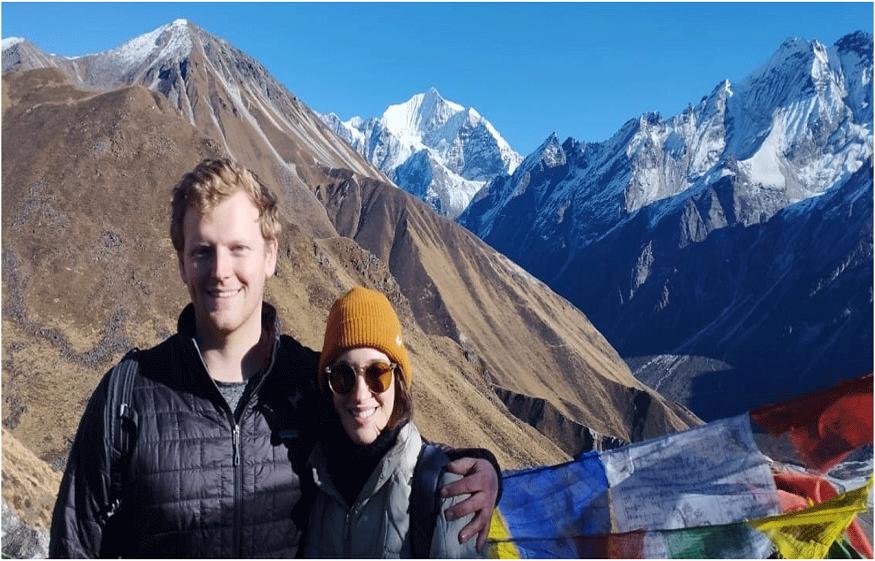
Everyone talks about Everest. Everyone talks about Annapurna. And somewhere in between all that chatter, the Langtang Valley trek quietly sits there, waiting, offering some of the most beautiful Himalayan scenery in Nepal without the crowds, the queues, or the inflated tea house prices. It’s a bit of an open secret among trekkers who’ve actually done their homework. Glaciers tumble down from peaks that most people can’t name, alpine meadows roll out in every direction, and the Tamang villages along the way still feel like they belong to the people who live in them rather than to the tourism industry.
This guide is built around four things you’ve probably been searching for: the Langtang Valley trek itself, the longer Langtang Gosaikunda trek that pushes into sacred lake territory, the short but brutal Tsergo Ri trek side trip, and Langtang Yala peak climbing for those who want to go beyond just walking. We’ll get into routes, difficulty, sample itineraries, permits, costs, best seasons, and the kind of practical stuff you actually need before you land in Kathmandu and start second-guessing your packing list. Whether you’ve got a week or three weeks, there’s a version of this region that fits.
Why the Langtang Valley Trek Is One of Nepal’s Most Rewarding Himalayan Adventures
Ask five different trekking guides why they personally love Langtang more than some of the bigger-name routes, and you’ll probably get five slightly different answers, but they’ll all circle back to the same thing: it just feels less used up. The Langtang Valley trek sits only about seven to eight hours by road from Kathmandu, which already makes it more accessible than most treks of this caliber — no short mountain flights, no weather delays that eat three days of your holiday.
Read More : Dune Bashing in Dubai Feels Like a Fight Between Gravity and Adrenaline
Inside Langtang National Park, the trail moves through dense forest, past waterfalls, and into wide glacial valleys, all while giving you close-up mountain views that some longer treks make you wait weeks for. The Tamang communities here have their own language, their own Buddhist traditions, and a warmth that’s hard to fake — a lot of trekkers say the people are what stayed with them longest, not the peaks. Add in solid tea houses with hot meals and decent beds, and you’ve got a trek that suits first-timers and seasoned hikers alike without dumbing anything down.
Highlights of the Langtang Valley Trek Route
The trek usually begins in Syabrubesi, a small town that feels like the last proper “civilization” stop before the trail takes over. From there, you climb through rhododendron and oak forest toward Lama Hotel, a cluster of guesthouses tucked into thick woods where the river noise never really stops.
Push on, and the trees start thinning out as you reach Langtang Village itself — rebuilt after the 2015 earthquake, and honestly, walking through it now says something about resilience that no brochure can capture. Beyond the village, the valley opens dramatically into Kyanjin Gompa, a small Buddhist settlement surrounded by yak pastures and framed by snow-covered peaks that seem close enough to touch. Along the way you’ll cross rivers on swinging bridges, pass glaciers creeping down from Langtang Lirung, and walk through meadows where yaks graze like they own the place — which, up here, they basically do.
Tsergo Ri Trek – The Best Sunrise Viewpoint in Langtang
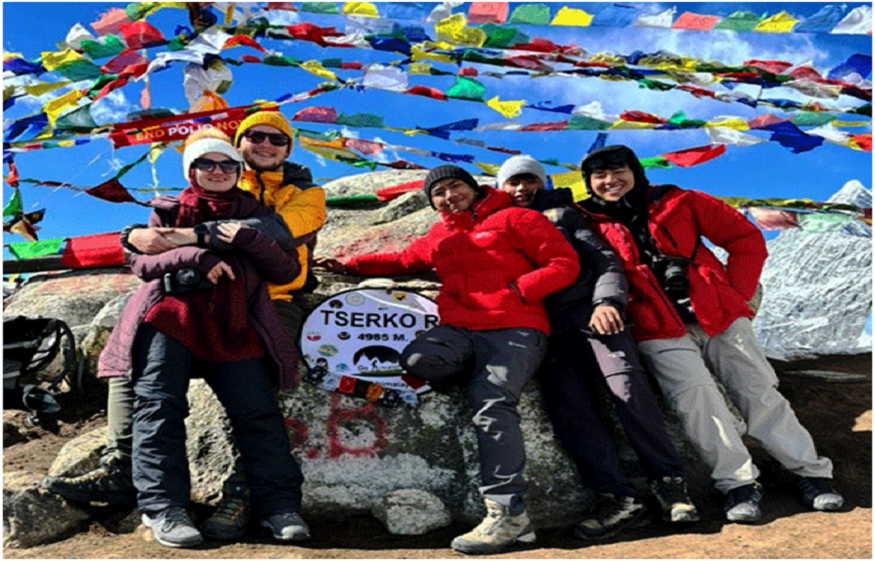
If you’ve got one extra day in Kyanjin Gompa, spend it on the Tsergo Ri trek. At around 4,984 meters, it’s not a walk in the park, but it rewards you disproportionately for the effort. Most trekkers start before dawn, headlamps on, breath visible in the cold, climbing steadily for three to four hours over loose scree and rocky switchbacks.
The payoff is one of the best sunrise views in the entire Langtang Valley trek region — a full panorama of Himalayan giants lighting up gold and pink as the sun clears the ridgeline. Photographers genuinely lose their minds up there. It’s steep, the altitude bites, and you’ll want trekking poles and a slow, steady pace rather than a race to the top. Spring and autumn give you the clearest skies for this one; anything else and you risk climbing into cloud.
Langtang Gosaikunda Trek – Combining Valleys, Sacred Lakes, and Mountain Passes
For trekkers wanting more than the standard valley walk, the Langtang Gosaikunda trek links the Langtang region to the sacred Gosaikunda Lakes via the demanding Lauribina Pass. These high-altitude lakes hold deep religious significance for both Hindu and Buddhist pilgrims, and thousands visit during the Janai Purnima festival every year to bathe in what’s believed to be holy water.
Getting there means crossing alpine terrain, rocky ridgelines, and — depending on the season — patches of snow that make the pass feel properly wild. It’s a longer, tougher trek overall, but it rewards you with landscapes that shift constantly: dense rhododendron forests give way to open alpine zones, and you’ll likely spot Himalayan tahr or maybe even signs of red panda territory along lower sections. The Gosaikunda Lake trek portion alone is worth the extra days, with turquoise lakes set against a backdrop of jagged peaks that genuinely don’t look real in photos.
Langtang Yala Peak Climbing – A Perfect Introduction to Himalayan Peak Climbing
For those who want to go a step further than trekking, Langtang Yala peak climbing at 5,500 meters is often recommended as a first Himalayan peak. It’s non-technical in the mountaineering sense — no serious rock climbing involved — but it’s still a proper climb, not a stroll, and previous high-altitude trekking experience helps a lot.
You’ll need a climbing permit, and going with a licensed guide isn’t optional if you value your safety (or frankly, your summit chances). Basic mountaineering equipment — crampons, an ice axe, a harness, and proper boots — comes into play for the final glacier section, so some prior instruction or a guide who can teach you on the spot matters. The Yala Peak expedition typically adds a few acclimatization and training days onto the standard Langtang itinerary, but standing on that summit with 360-degree Himalayan views stretching toward Tibet is the kind of moment that tends to justify every aching muscle.
Best Time for the Langtang Valley Trek and Nearby Adventures
Spring, roughly March through May, brings the valley to life. Rhododendron forests bloom in reds and pinks, the weather stays fairly stable, and mountain views tend to be crisp and clear in the mornings before afternoon clouds roll in. It’s arguably the prettiest time to attempt the Langtang Valley trek.
Autumn, September through November, is the other favorite, and for good reason — skies are typically clearest here, temperatures are comfortable for walking, and you’ll likely catch local festivals adding some color to the trip. Winter is possible but cold and quieter, with some higher passes potentially snowed in. Monsoon season, June through August, brings leeches, muddy trails, and limited visibility, so most experienced trekkers steer clear unless they have a specific reason to go.
Difficulty Level, Altitude, and Physical Fitness
The standard Langtang Valley trek is considered moderate — manageable for reasonably fit beginners, with daily walks of five to seven hours and gradual altitude gain that allows for decent acclimatization. Langtang Valley altitude tops out around 3,870 meters at Kyanjin Gompa on the core route, which is high but generally manageable if you pace yourself and drink enough water.
Add the Tsergo Ri side trip, though, and you’re pushing toward 5,000 meters, which introduces a noticeably harder day with real altitude challenges. Langtang Yala Peak climbing takes things further still, both physically and technically, and really does call for solid fitness plus some prior trekking mileage under your belt. None of it demands elite athleticism, but underestimating the altitude here is a common (and avoidable) mistake.
Permits Needed for the Langtang Valley Trek
Two main permits apply here: the Langtang National Park Permit, which funds conservation efforts in the park, and historically the TIMS card, though requirements around TIMS have shifted over the years, so it’s worth double-checking current regulations before you go. Local municipality fees may also apply depending on your exact route.
Nepal trekking permits are generally arranged through a registered trekking agency, and honestly, going through a licensed operator just makes life easier — they handle the paperwork, keep you compliant with local rules, and know which regulations have quietly changed since last season.
Accommodation and Food During the Trek
Tea houses along this route are simple but genuinely comfortable, with basic twin rooms, shared bathrooms lower down, and increasingly private options as tourism infrastructure develops. Meals lean heavily on dal bhat — rice, lentils, vegetables, and usually a curry — which remains the trekker’s go-to for a reason: unlimited refills and solid energy for the next day’s climb.
Beyond that, expect soups, noodles, momos, pancakes, and decent tea or coffee at most stops. Electricity and Wi-Fi are available at most lodges for a small fee, though speeds get slower (and pricier) the higher you climb. Hot showers exist too, though “hot” becomes a loose term above Langtang Village. Still, for a Langtang tea house trek, the comfort level genuinely surprises a lot of first-timers.
Langtang Valley Trek Cost and Budget Planning
Budgeting for this region varies depending on how many days you add and whether peak climbing is involved. Rough costs typically include park permits, ground transportation to and from Syabrubesi, tea house accommodation, daily meals, and guide or porter fees if you’re not going solo.
A standard Langtang Valley trek cost for a guided package usually runs cheaper than Everest or Annapurna region treks of similar length, which is part of its appeal. Add Gosaikunda or Tsergo Ri and costs rise slightly with extra days. Yala Peak climbing adds permit fees, climbing equipment rental, and additional guide charges for the technical section. Many trekkers find that a well-structured Langtang trekking package, booked through a reputable local agency, ends up more cost-effective than piecing everything together independently.
Essential Packing Tips for the Langtang Valley Trek
Pack in layers — a base layer, insulating fleece, and a solid down jacket for evenings, plus a proper rain jacket since mountain weather flips fast. Broken-in hiking boots are non-negotiable; this is not the trek to test new footwear on. Bring a reusable water bottle with purification tablets or a filter, trekking poles for the descents, a headlamp for early starts, and sunglasses for the glare above the tree line.
Basic medication, a power bank for charging devices between paid outlets, and a camera round things out. Keep your pack as light as reasonably possible — your shoulders will thank you by day four.
Responsible Trekking in Langtang National Park
Langtang isn’t just scenery, it’s someone’s home, so a bit of cultural respect goes a long way — dress modestly in villages, ask before photographing people, and follow basic monastery etiquette. Reduce plastic waste where you can, carry a filter bottle instead of buying dozens of plastic ones, and pack out anything you pack in.
Hiring local guides and porters puts money directly into the communities that depend on trekking tourism, and staying on marked trails helps protect fragile alpine ecosystems and the wildlife that calls them home. Sustainable tourism here isn’t a buzzword — it’s what keeps this valley the way trekkers fell in love with it in the first place.
Final Thoughts – Is the Langtang Valley Trek Right for You?
So, which version fits you? The classic Langtang Valley trek suits anyone wanting a shorter, accessible Himalayan experience without sacrificing scenery. The Langtang Gosaikunda trek is for those craving a longer journey with spiritual weight and high mountain passes. Tack on the Tsergo Ri trek if you want one unforgettable sunrise view without committing to a full expedition. And if you’re chasing something bigger, Langtang Yala peak climbing offers a genuine introduction to Himalayan mountaineering without needing years of technical experience.
However you choose to experience it, Langtang rewards curiosity over ego — it’s less about bragging rights and more about the quiet, glacier-carved beauty most trekkers never expect to fall for this hard. For nature lovers, photographers, and adventure seekers looking for something a little less crowded and a lot more personal, this region delivers in a way that’s genuinely hard to overstate.
Frequently Asked Questions (FAQs)
1. How difficult is the Langtang Valley trek for beginners?
It’s generally considered moderate, making it a solid option for reasonably fit beginners. Daily walks run five to seven hours on well-established trails, and altitude gain is gradual enough for proper acclimatization. That said, some prior hiking experience and general fitness definitely make the days feel easier.
2. What is the best time to do the Langtang Gosaikunda trek?
Spring and autumn are the clear winners. Spring brings blooming rhododendron forests and stable weather, while autumn offers the clearest skies and most comfortable trekking temperatures. Both seasons give you the best trail visibility, especially crossing Lauribina Pass.
3. Is the Tsergo Ri trek worth adding to the Langtang Valley trek?
Absolutely, if your schedule allows an extra day. The panoramic Himalayan views from the summit, especially at sunrise, are considered among the best in the entire region. It’s a demanding half-day climb, but most trekkers who’ve done it call it a highlight of the whole trip.
4. Do I need climbing experience for Langtang Yala Peak climbing?
Formal technical climbing skills aren’t strictly required since Yala Peak is non-technical, but prior high-altitude trekking experience is strongly recommended. A licensed climbing guide and basic mountaineering equipment are essential for the glacier and summit sections.
Read More : Dubai Flights with Immersive Dubai Layover Tours Led by Local Guides
5. How many days are needed for the Langtang Valley trek and related routes?
The standard Langtang Valley trek typically takes seven to nine days. Adding the Langtang Gosaikunda trek extends this to around twelve to fourteen days. Including Tsergo Ri usually adds just one extra day, while Langtang Yala Peak climbing tends to add four to six days for acclimatization, training, and the climb itself.